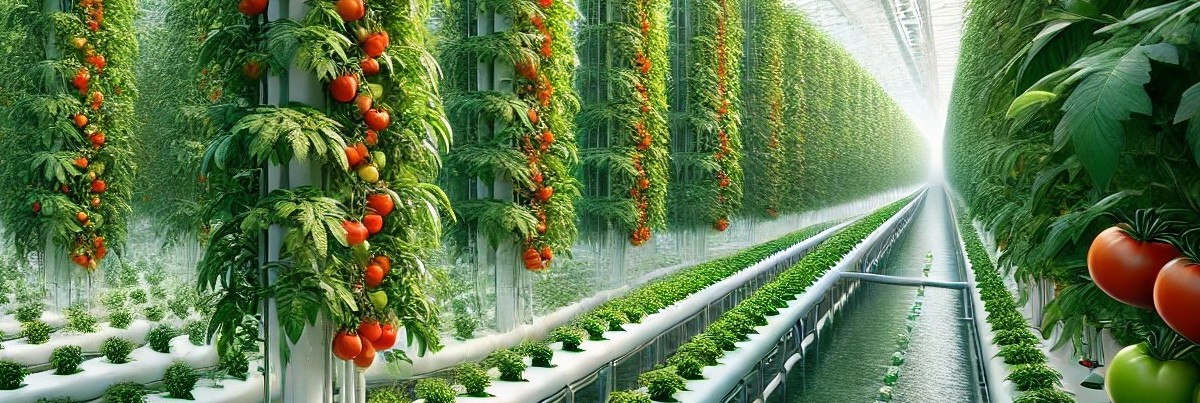
The use of nano-bubbles in hydroponics and greenhouse cultivation is becoming increasingly popular due to their unique physicochemical properties. AgroAqua technology uses microscopic bubbles with a size of less than 200 nanometers, which contribute to the improvement of plant growth and crop quality, as well as a significant reduction in the use of fertilizers.
Nano-bubbles are extremely small gas bubbles (with a diameter of less than 1 micrometer) that are formed in water as a result of cavitation. Nano-bubbles implode and generate a strong shock wave that effectively breaks down contaminants, microorganisms and bacteria. Additionally, their nano-scale size allows for the delivery of minerals and fertilizers to plant roots more efficiently, which brings a measurable economic effect.
AgroAqua, thanks to its high efficiency in creating nano-bubbles, reduces the growth of biofilm, allows for keeping washing lines clean for a long time, reduces water and chemical consumption and saves time.
Benefits of using AgroAqua
-
Increased crop yield: Studies have shown that the use of nano-bubbles can increase crop yields by 20-36%
-
Improved root development: Nano-bubbles increase the level of dissolved oxygen in water, which promotes better root development. Studies have shown that the length of plant roots increased by an average of 126.5% compared to traditional irrigation methods.
-
Shortening the growth time: Thanks to better oxygenation of the plants, the time needed to reach maturity is much shorter. In some cases, the growth cycle can be shortened by several days, allowing for additional harvests during the year
-
Pathogen Control: Nano-bubbles have the ability to reduce pathogens in irrigation systems, which reduces the need for chemical pesticides. Higher oxygen concentrations create less favorable conditions for the growth of pathogenic bacteria and fungi.
-
Better nutrient absorption: Thanks to the increased solubility of nutrients in water, plants are able to absorb them more efficiently. Nano-bubbles improve the distribution of ions in the solution, which leads to a more uniform concentration of nutrients
-
Improved crop quality: Plants grown using nano-bubbles show improved crop quality, which translates into higher nutritional value and aesthetics of the final products. For example, studies on tomatoes have shown increased vitamin C content and better fruit quality